



Why Knowing Your Hair Type Matters
If you’ve ever asked yourself, “What hair type do I have?”, you’re not alone.
Most people use products or styling tools based on trends, not on what their hair actually needs. That’s usually why results feel inconsistent — one day your hair looks great, the next day it’s frizzy, flat, or just… off.
Understanding your hair type gives you a clear starting point. It helps you:
- Choose the right products
- Use the right styling techniques
- Avoid unnecessary damage
- Get more consistent results
Think of it less as a label and more as a guide to what works best for your hair.
The 4 Main Hair Types Explained
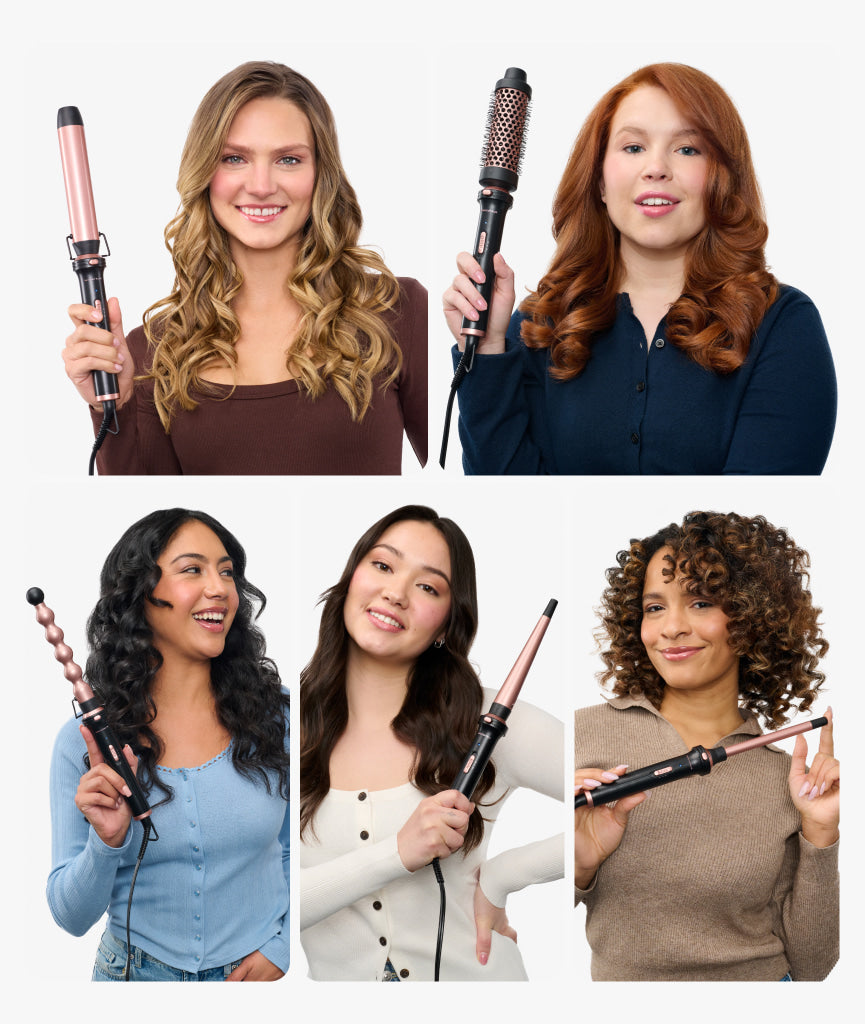
Hair is generally categorized into four main types: straight, wavy, curly, and coily. Within each type, there are subtypes (A, B, C), but you don’t need to overcomplicate it at the beginning.
Type 1: Straight Hair

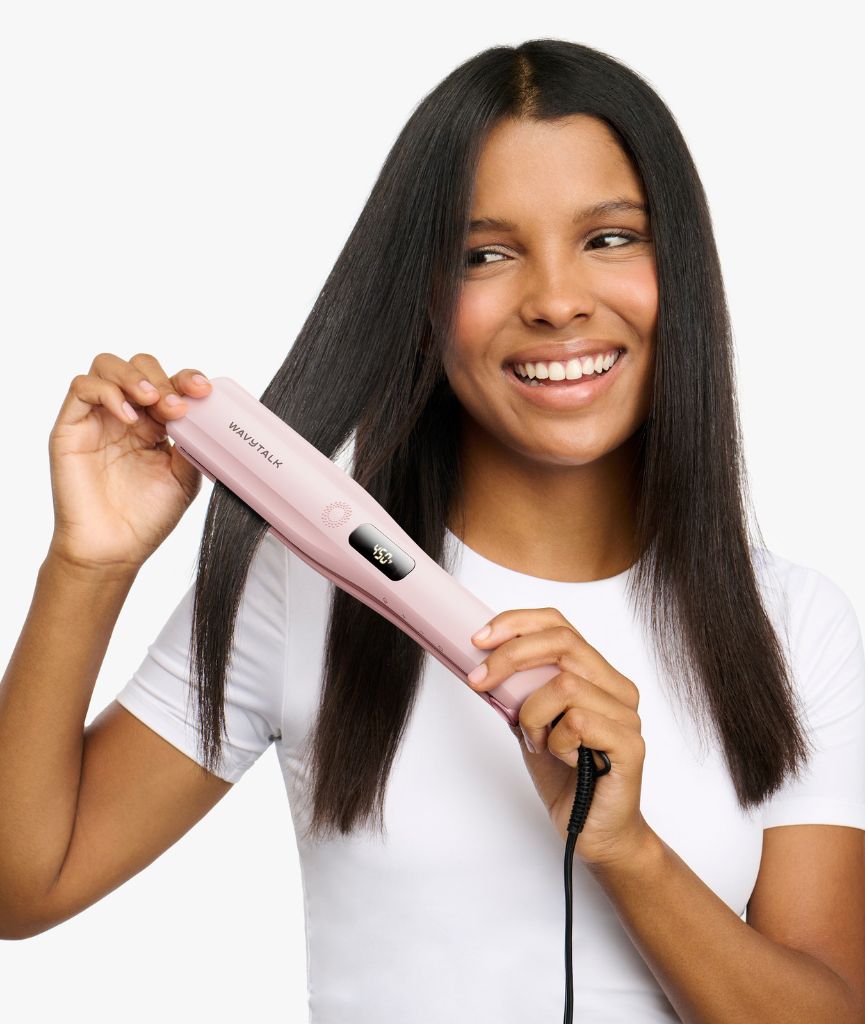
Straight hair has no visible curl pattern. It tends to lie flat from root to tip and often reflects light easily, which is why it can look shiny.
Common traits:
- Gets oily faster
- Harder to hold curls
- Usually smooth but can lack volume
Type 2: Wavy Hair

Wavy hair forms soft “S” shapes. It sits between straight and curly, which also makes it one of the most unpredictable types.
Common traits:
- Prone to frizz
- Can look flat or puffy depending on styling
- Holds shape better than straight hair
Type 3: Curly Hair

Curly hair forms defined loops or ringlets. The curl pattern is visible even without styling.
Common traits:
- Needs more moisture
- Can shrink in length
- More prone to dryness
Type 4: Coily Hair

Coily hair has tight curls or a zigzag pattern and is often more prone to dryness, which is why Black hair care usually focuses on moisture, protection, and gentle styling habits.
Common traits:
- Very dry by nature
- High shrinkage
- Needs gentle handling
For a more detailed scientific breakdown of hair structure, you can refer to the American Academy of Dermatology.
How to Identify Your Hair Type Step by Step
Now let’s get practical.
If you’re trying to figure out what hair type you have, follow this simple method.
Step 1: Start With Clean, Air-Dried Hair
Wash your hair and let it air dry without styling products.
This shows your natural pattern, not a manipulated version.
Step 2: Look at Your Natural Shape
Ask yourself:
- Does it fall straight? → Type 1
- Does it form loose waves? → Type 2
- Do you see curls or loops? → Type 3
- Is it tightly coiled or zigzag? → Type 4
Don’t overanalyze. Your first instinct is usually correct.
Step 3: Check How Your Hair Reacts
Your hair behavior gives additional clues:
- Gets greasy fast → likely straight
- Frizzes easily → likely wavy or curly
- Shrinks when dry → likely curly or coily
Step 4: Ignore Temporary Styling Effects
If you regularly use heat hair tools, your pattern might be slightly altered.
Try observing your hair after a few days of minimal styling.
Hair Texture vs Hair Type: What’s the Difference?
This is where many people get confused.
Hair type = shape (straight, wavy, curly, coily)
Hair texture = thickness (fine, medium, thick)
You can have:
- Fine curly hair
- Thick straight hair
- Medium wavy hair
They are separate things, but both affect how your hair behaves.
What Your Hair Type Actually Needs
Once you know your hair type, the goal isn’t just identification — it’s making better choices.
Straight Hair (Type 1)
Focus on:
- Lightweight formulas
- Root lift techniques
- Keeping the scalp clean
Not all straight hair is the same — fine hair needs more volume support, while thick straight hair may need smoothing and frizz control.
Wavy Hair (Type 2)
Focus on:
- Frizz control
- Enhancing natural shape
- Balanced moisture
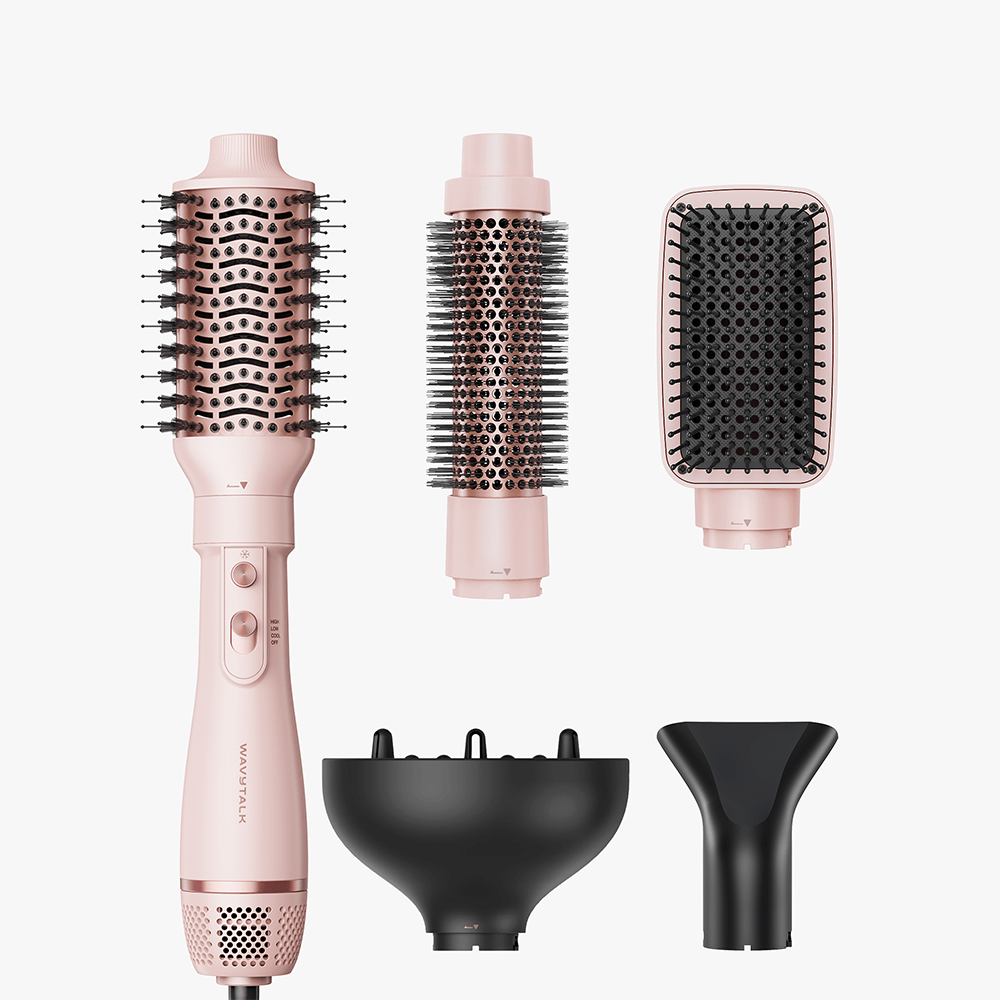
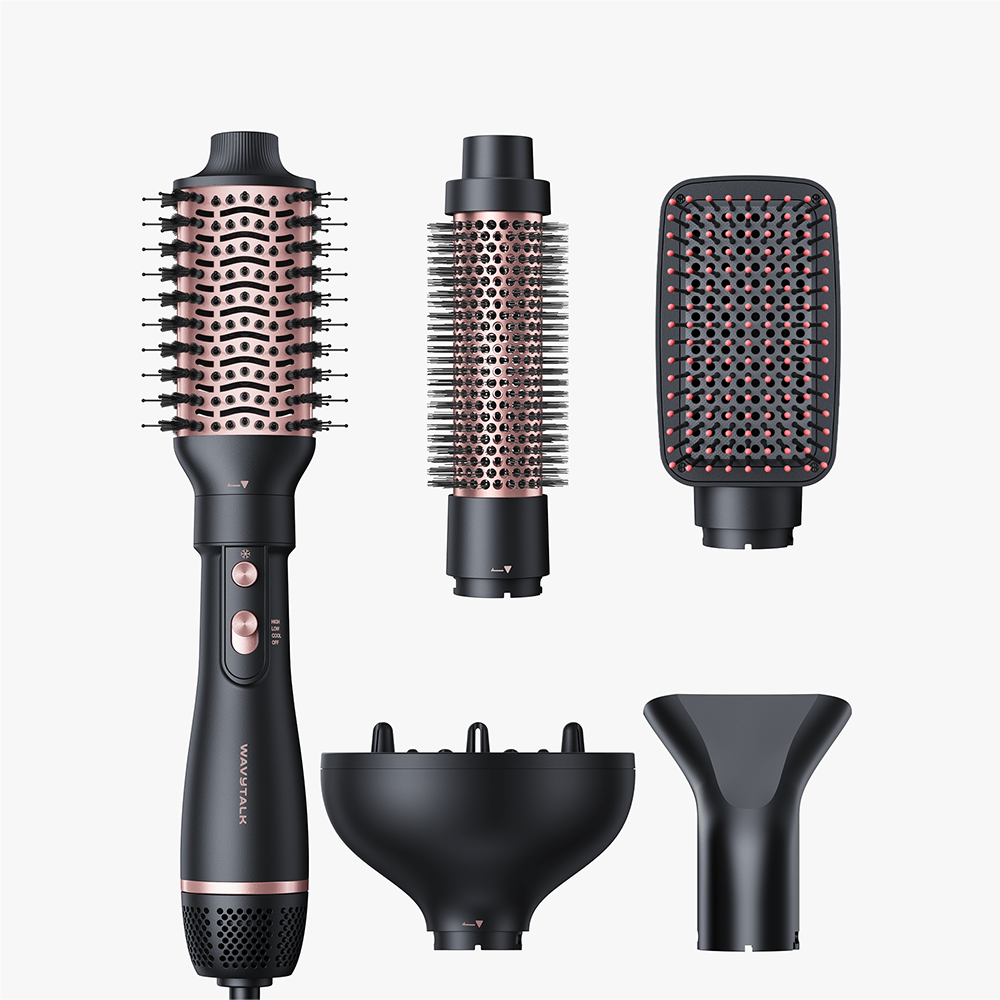
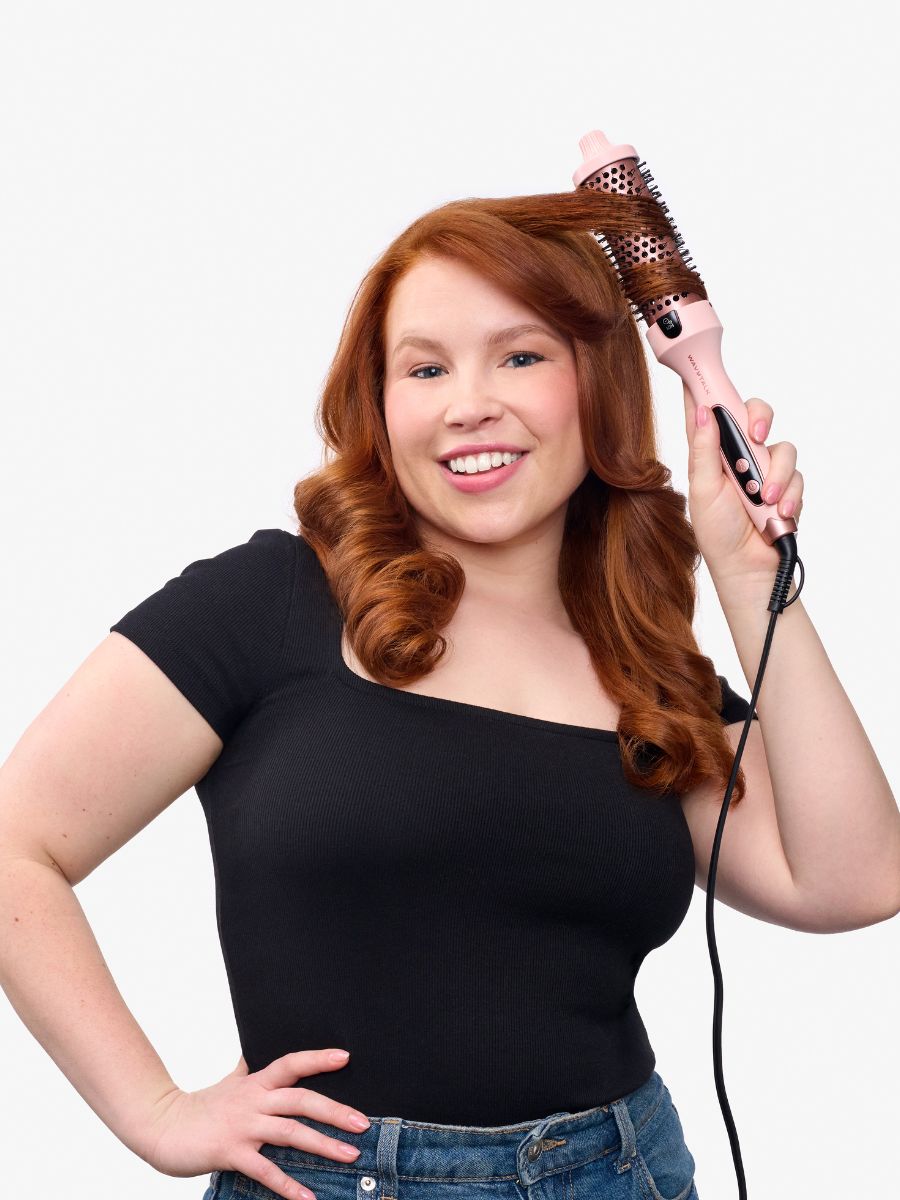
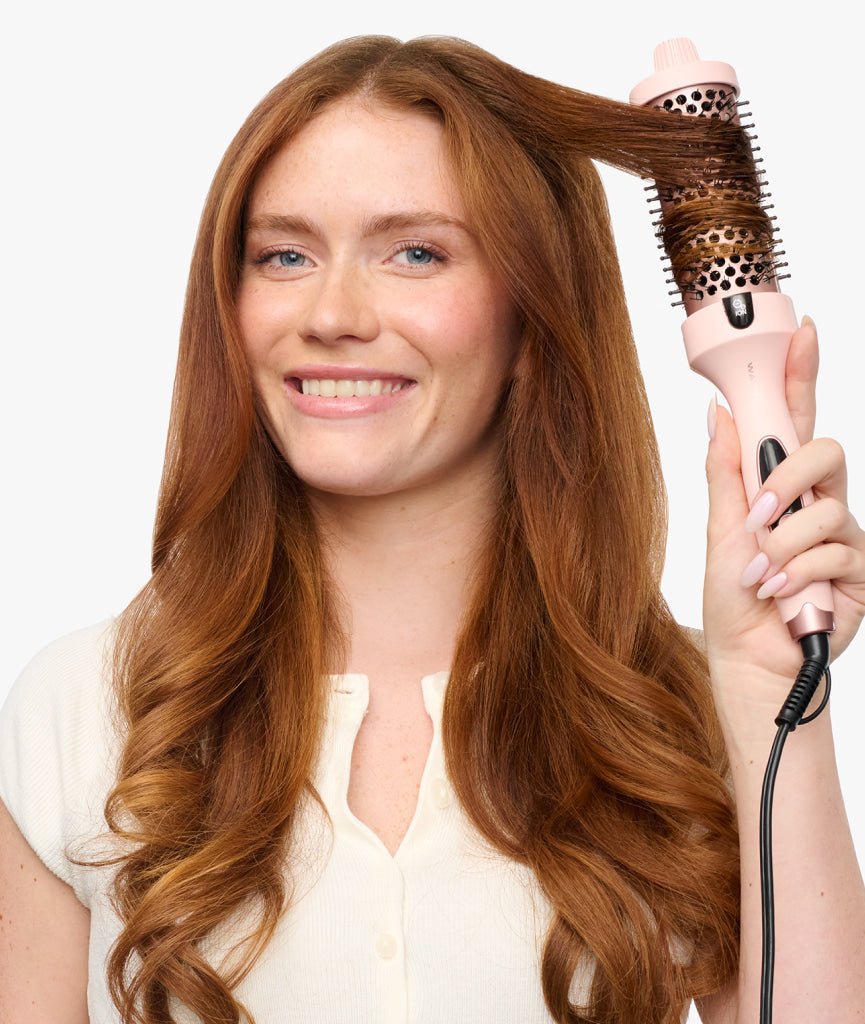
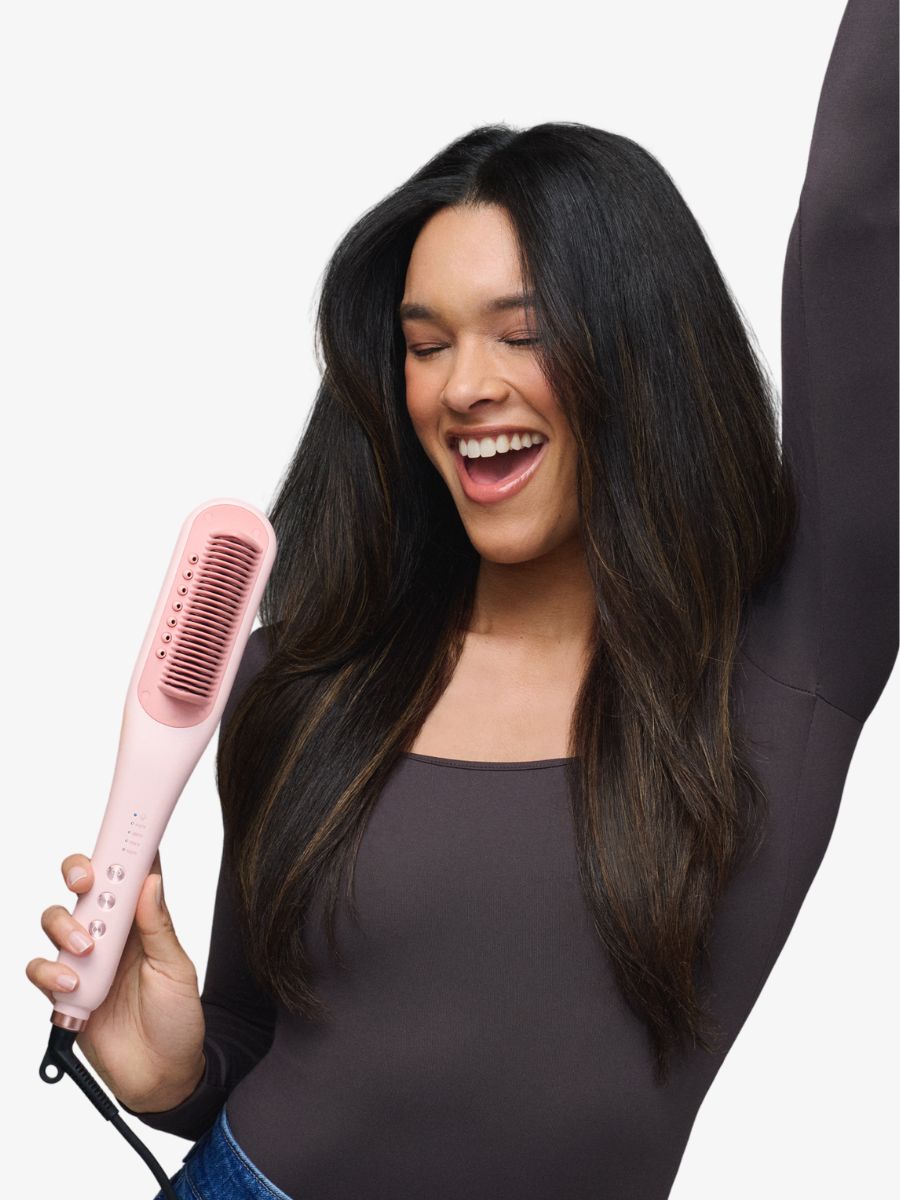
This is where tools like a thermal brush can help create smoother, more controlled volume without flattening the wave pattern.
Curly Hair (Type 3)
Focus on:
- Deep hydration
- Curl definition
- Gentle styling
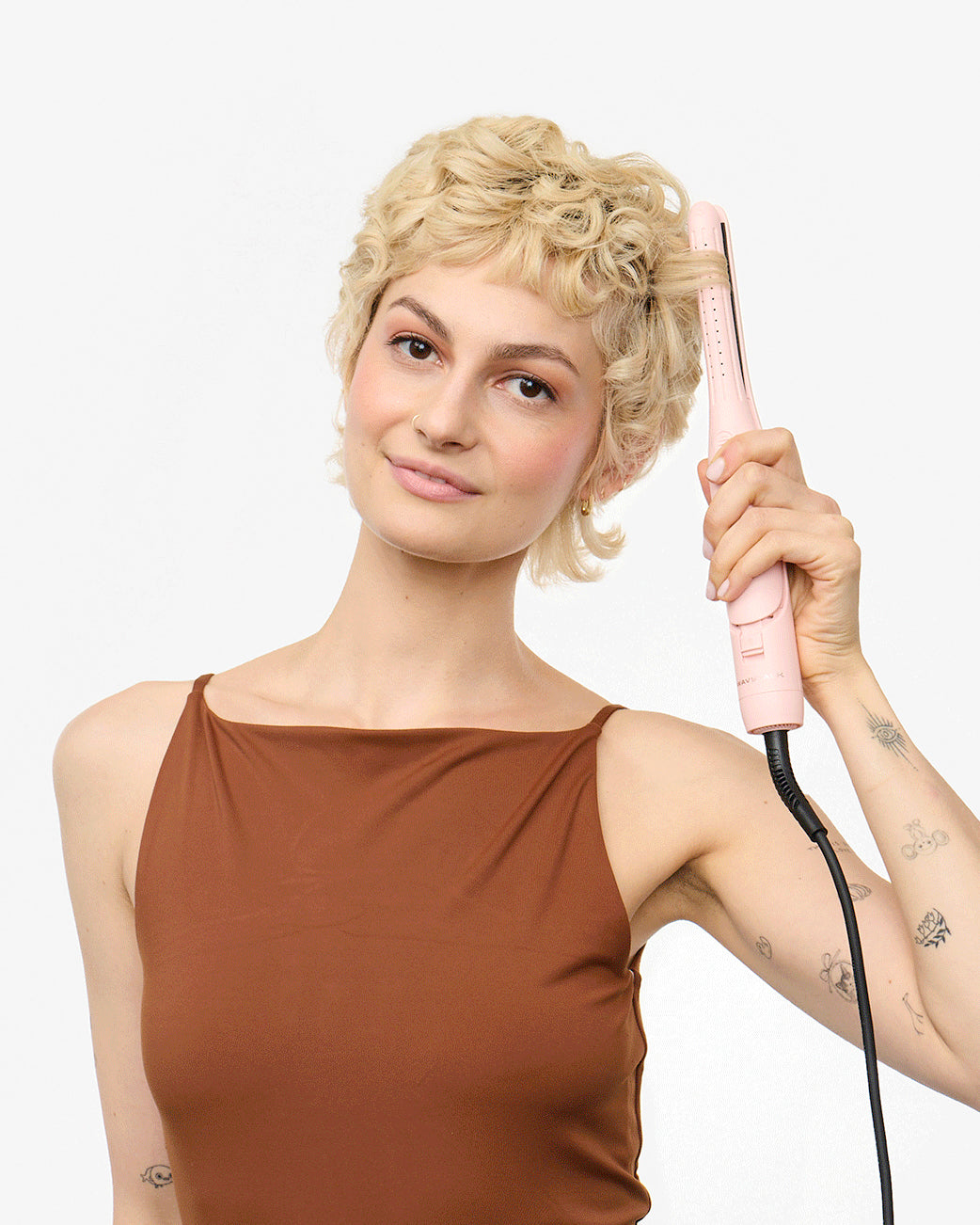
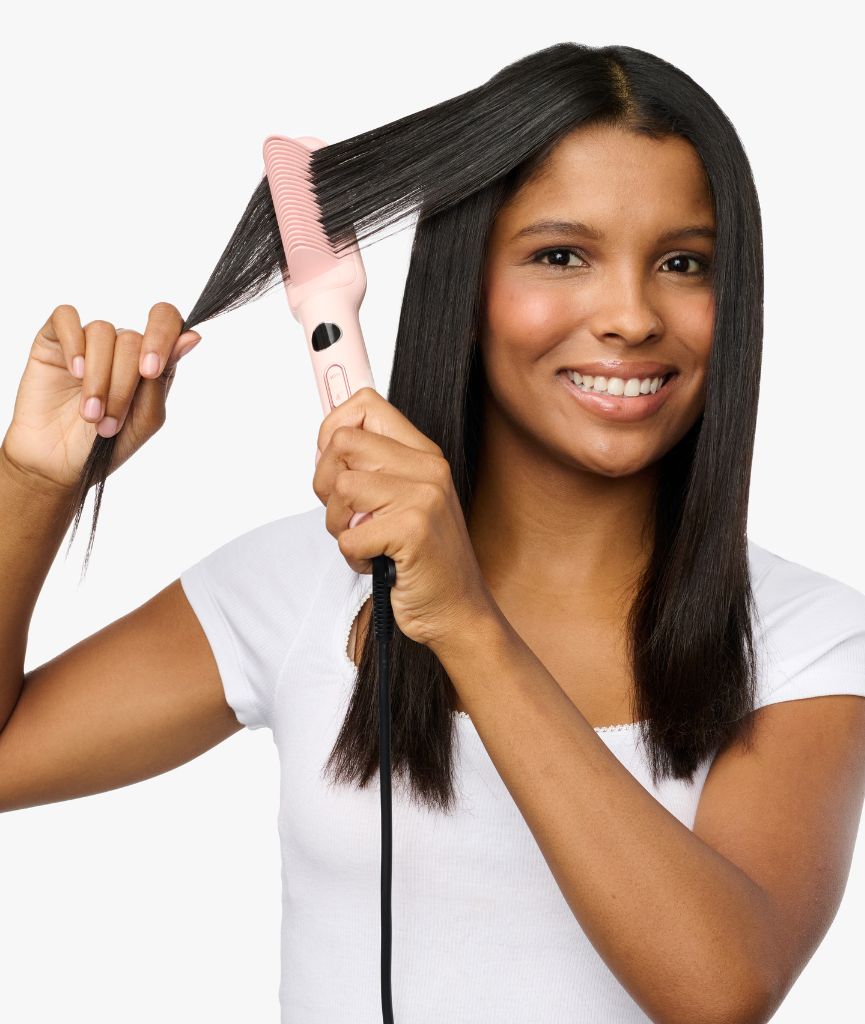
Tips: If you want to refresh or slightly reshape your curls without causing too much damage, tools like a steam styling brush can help add moisture while gently smoothing and redefining sections of hair.
Coily Hair (Type 4)
Focus on:
- Moisture is the foundation of healthy coily hair.
- For coily hair, keeping moisture in is one of the most important parts of care.
- Coily hair needs consistent moisture to stay soft, defined, and less prone to breakage.
Moisture is the foundation of healthy coily hair. Gentle care and consistent hydration can make a big difference.
Common Mistakes When Identifying Hair Type
Figuring out your hair type sounds simple, but a few common mistakes can make it more confusing than it really is.
-
Assuming your hair is just one type
A lot of people expect their hair to fit neatly into one category, but that is not always how real hair works. You might notice looser waves around the front and tighter curls underneath or in the back. Mixed patterns are completely normal. -
Mistaking damage for your natural texture
If your hair has been exposed to frequent heat, bleach, or chemical treatments, it may not show its true pattern clearly. Damaged curls can look stretched out, frizzy, or even almost straight, which can make it harder to identify your natural hair type. -
Getting too focused on subtypes too soon
It is easy to get caught up in labels like 2B, 2C, or 3A, but you do not need to be that specific right away. Start broad first. Once you understand whether your hair is straight, wavy, curly, or coily, you can refine it later.
Final Thoughts
Figuring out what hair type you have doesn’t need to be complicated.
You don’t need perfect classification — just enough understanding to make better decisions.
Once you know your type, everything becomes easier:
- Styling feels more predictable
- Products work better
- Your hair starts to behave the way you expect
And honestly, that’s the real goal.
WAVYTALK-LIMITED-TIME OFFER
Mid-Year Sale: Up to 48% Off Sitewide
Ready to upgrade your routine? Shop Wavytalks's best-selling hair and beauty tools during Mid-Year Sale and enjoy up to 48% off sitewide.
Plus, get free fast shipping on $25+ U.S. orders. It's the perfect time to save on your next styling essential.
Shop Now
Shop this article: