

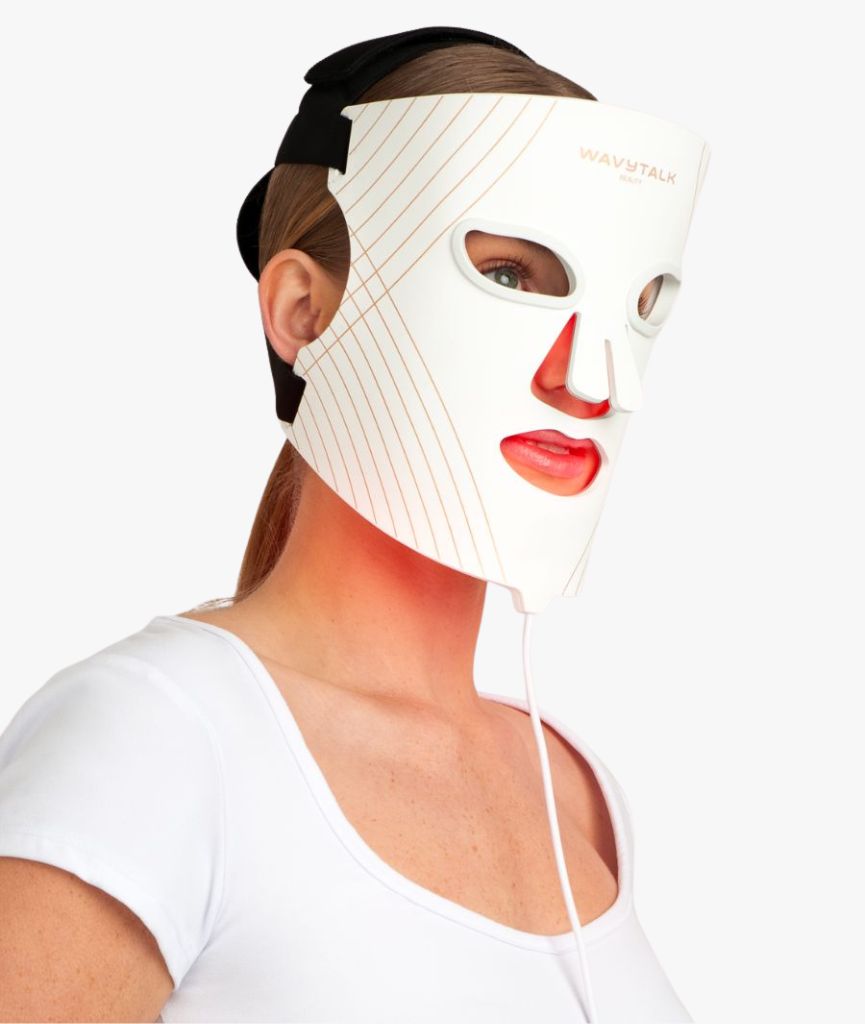


A red light therapy mask may help support smoother, brighter, and healthier-looking skin when used consistently as part of a simple skincare routine. Many at-home LED light therapy use red light and near-infrared light to target common concerns such as dullness, fine lines, uneven texture, visible redness, and tired-looking skin.
However, red light therapy is not a magic shortcut. It works best when your expectations are realistic, your device is used correctly, and your daily routine still includes the basics: gentle cleansing, hydration, barrier support, and sunscreen. This guide explains how red light therapy for face routines work, how often to use red and near-infrared light, what results you can expect, and how to use an LED mask safely.
What Is a Red Light Therapy Mask?
A red light therapy mask is an at-home skincare device that uses LED light to shine specific wavelengths onto the face. Unlike sunlight or tanning beds, quality LED masks do not rely on ultraviolet rays. Instead, they usually use visible red light and, in some devices, near-infrared light to support the skin’s natural repair and renewal process.
For many people, this type of mask is appealing because it is simple to use. You cleanse your face, wear the mask for the recommended session time, and then continue with your skincare routine. There is usually no scrubbing, peeling, or downtime. That makes LED masks popular among people dealing with dullness, uneven texture, early signs of aging, redness, or skin that looks tired and stressed.
Still, it is important to keep expectations realistic. A red light therapy mask will not replace sunscreen, professional treatments, or medical care for serious skin conditions. But when used correctly and consistently, it may help the skin look calmer, smoother, and more refreshed over time.
If you want to learn more about LED color benefits and how different wavelengths are used in skincare, you can read Wavytalk’s guide to LED light therapy.
How Red Light Therapy Works on the Face
Red light therapy belongs to a broader field often called photobiomodulation. In simple terms, this means light is used to influence how cells behave. When red or near-infrared light reaches the skin, it may support cellular energy activity and create a better environment for skin renewal, collagen support, and a more even-looking complexion.
Collagen is one of the key proteins that help skin look firm, smooth, and elastic. As we age, collagen production naturally slows down. Sun exposure, stress, pollution, lack of sleep, and harsh skincare habits can also affect how healthy the skin looks. Red light is commonly used in facial LED devices because it may support the appearance of the skin without the surface damage associated with more aggressive treatments.
This is why many people search for red light therapy for face routines when they want a gentle, non-invasive approach to skincare. It is especially popular among people who want visible improvement but do not want needles, chemical peels, or long recovery periods.
For general safety information, the American Academy of Dermatology notes that red light is commonly used for skin concerns such as visible aging, but users should follow precautions and choose devices carefully.
Red Light for Skin Appearance
Red light usually sits in the visible light range, often around 630 to 660 nanometers, in many skincare devices. This range is commonly used in facial LED masks because it focuses on surface-level skin appearance. It may help improve the look of fine lines, rough texture, dullness, and mild visible redness.
For tired or stressed-looking skin, red light can be a gentle companion. It does not exfoliate the skin like acids, and it does not intentionally create controlled damage like some stronger cosmetic procedures. Instead, the goal is to support a healthier-looking skin environment over time.
Best Uses for Red Light
- Fine lines and early signs of aging
- Dull or uneven-looking skin tone
- Mild redness and visible stress
- Skin that looks tired, rough, or dry
- Supporting a firmer-looking complexion
Near-Infrared Light for Deeper Skin Support
Near-infrared light is different from red light because it is mostly invisible to the human eye. Many skincare masks use near-infrared wavelengths around 800 to 850 nanometers. This type of light may reach deeper than visible red light, which is why it is often included in more advanced LED masks.
Near-infrared light is often used to support deeper skin vitality, recovery, and resilience. In beauty routines, it may help skin look more refreshed and less fatigued over time. It can be especially useful for people who feel their skin looks weakened, stressed, or slow to bounce back.
Because near-infrared light goes deeper, it should still be used with care. More is not always better. A safe routine depends on following the device instructions, protecting the eyes when recommended, and avoiding overuse.
Red Light vs. Near-Infrared Light
Many LED masks combine red light and near-infrared light because they support different skincare goals. Red light is more focused on surface appearance, while near-infrared light may offer deeper support.
| Feature | Red Light | Near-Infrared Light |
|---|---|---|
| Visibility | Visible red glow | Mostly invisible |
| Common Range | About 630–660 nm | About 800–850 nm |
| Main Focus | Surface appearance | Deeper skin support |
| Best For | Fine lines, dullness, uneven texture, mild redness | Skin resilience, recovery support, tired-looking skin |
| Use Style | Often used several times weekly | Often paired with red light |
Key Benefits of a Red Light Therapy Mask for the Face
1. Supports Smoother-Looking Skin
Consistent LED use may help the skin look smoother over time. This is one reason many people use a red light therapy mask as part of an anti-aging routine. Results are usually gradual, not instant, but steady use can help improve the overall appearance of skin texture.


2. Helps Improve the Look of Fine Lines
Fine lines can appear because of aging, dehydration, facial movement, and sun exposure. Red light may support collagen-related processes, which can help the skin look firmer and more refreshed over time.
3. Promotes a Brighter Complexion
Dull skin often needs consistency, not harsh treatment. A red light therapy mask can support a brighter-looking complexion when paired with sunscreen, hydration, gentle cleansing, and nourishing skincare products.
4. Calms the Appearance of Redness
Many users like red light because it feels gentle compared with aggressive resurfacing treatments. When used correctly, it may help reduce the look of stressed or flushed skin. However, people with rosacea, eczema, active rashes, or ongoing irritation should speak with a dermatologist before starting.


5. Supports Damaged-Looking Skin
Skin can look damaged from sun exposure, acne marks, dryness, over-exfoliation, or environmental stress. LED therapy may support a healthier-looking skin barrier, especially when used alongside barrier-friendly ingredients like ceramides, hyaluronic acid, glycerin, and niacinamide.
6. Easy to Add to a Home Routine
One of the biggest benefits is convenience. You can use the mask while sitting, reading, or relaxing. That ease makes consistency more realistic, and consistency is where the best results usually come from.
7. No Downtime When Used Properly
Unlike stronger cosmetic treatments, LED masks typically do not require recovery time. Most people can continue their normal routine after a session. Still, it is smart to use gentle skincare afterward and avoid layering too many strong acids or retinoids if your skin is sensitive.
If you want to try LED light therapy at home, the Wavytalk Glow Time LED Mask is an easy way to bring red and near-infrared light into your skincare routine.
Can Red Light Therapy Help Damaged-Looking Skin?
Yes, a red light therapy mask may help improve the appearance of damaged-looking skin, but expectations matter. If the damage is mild, such as dullness, dryness, rough texture, early visible aging, or post-breakout marks, a consistent LED routine may be helpful. If the damage includes open wounds, burns, infections, severe acne, or suspicious spots, professional medical advice is the safer path.
For damaged-looking skin, gentle support is key. Avoid using a mask on broken, swollen, or highly irritated skin unless your healthcare provider says it is okay. Also, do not combine too many active products at once. Overdoing exfoliating acids, retinoids, scrubs, and LED therapy can make the skin feel worse instead of better.
| Skin Concern | How Red Light Therapy May Help | What to Watch For |
|---|---|---|
| Over-exfoliated skin | May support a calmer, healthier-looking skin barrier | Pause acids and retinoids if skin feels hot, tight, or stinging |
| Post-acne marks | May help skin look more even and less stressed over time | Does not replace acne treatment for active or severe breakouts |
| Sun-damaged appearance | May support smoother and brighter-looking skin | Daily sunscreen is still essential |
| Sensitive-looking skin | May be a gentle option when introduced slowly | Start with fewer sessions and stop if irritation appears |
A simple routine works best: cleanse gently, use the device as directed, apply a soothing serum or moisturizer, and wear sunscreen during the day. Think of LED therapy as one part of a bigger skincare plan, not the whole plan by itself.
What Red Light Therapy Can and Cannot Do
A good red light therapy mask can be useful, but it should not be treated like a miracle treatment. The best way to use LED therapy is to understand what it can realistically support and what it cannot replace.
| What It May Help With | What It Cannot Do |
|---|---|
| Improve the look of dullness and tired skin | Deliver overnight transformation |
| Support smoother-looking texture over time | Erase deep wrinkles instantly |
| Help soften the appearance of fine lines | Replace sunscreen, retinoids, or professional skincare advice |
| Support calmer-looking skin when used correctly | Treat infections, open wounds, or serious skin disease |
| Fit into a gentle at-home skincare routine | Replace in-office dermatology procedures when those are needed |
According to the Cleveland Clinic, red light therapy appears to be safe when used short-term and as directed, but it is still important to follow usage instructions and speak with a healthcare provider if you have medical concerns.
How to Choose a Red Light Therapy Mask
Not all LED masks are the same. If you are choosing a mask for at-home skincare, do not only look at price or appearance. The better question is whether the device gives you the right wavelengths, clear safety instructions, comfortable wear, and a realistic routine you can follow consistently.
-
Check the Wavelengths
For facial skincare, many masks use red light around 630 to 660 nm and near-infrared light around 800 to 850 nm. These ranges are commonly used for skin appearance and deeper support. A good brand should clearly explain what wavelengths the device uses. -
Look for Clear Safety Guidance
A quality mask should include instructions for session time, frequency, eye protection, cleaning, charging, and who should avoid use. If a device makes extreme claims but gives little safety information, that is a warning sign. -
Understand FDA-Cleared vs. FDA-Approved
Many beauty devices use terms like FDA-cleared, FDA-registered, or FDA-listed. These terms do not always mean the same thing. For medical devices, FDA clearance usually refers to a device pathway where a product is reviewed for substantial equivalence to a legally marketed device. You can learn more through the FDA 510(k) premarket notification information.
-
Consider Comfort and Fit
A mask only helps if you actually use it. Look for a comfortable design, secure fit, easy controls, and a session time that works with your lifestyle. If a mask feels heavy, uncomfortable, or difficult to clean, consistency becomes harder. -
Choose Based on Your Skin Goal
If your main goal is glow and early fine lines, red light may be enough. If your skin often looks tired or slow to recover, a mask with red and near-infrared light may be more appealing. If you are unsure which option fits your skin, read Wavytalk’s guide on how to choose the right LED mask for your skin.
Recommended Usage Frequency for Red Light and Near-Infrared Light
Most at-home LED masks are designed for short sessions several times per week. A common routine is 10 to 20 minutes per session, 3 to 5 times weekly, depending on the device. Some masks may recommend daily use at first, while others suggest fewer sessions. Always follow the instructions that come with your specific device.
| Routine Stage | Suggested Frequency | Session Time | Best For |
|---|---|---|---|
| Beginner | 3 times per week | Follow device instructions, often 10 minutes | New users or sensitive skin |
| Standard Routine | 3–5 times per week | Usually 10–20 minutes | Most consistent users |
| Maintenance | 2–4 times per week | Usually 10 minutes | After a visible improvement |
| Sensitive Skin | 2–3 times per week | Start shorter if needed | Skin prone to redness or irritation |
Beginner Routine
- Start with 3 sessions per week.
- Use the mask for the recommended session time.
- Watch for dryness, redness, warmth, or discomfort.
- Increase slowly only if your skin feels comfortable.
Maintenance Routine
- Use 2 to 4 sessions per week after visible improvement.
- Stay consistent instead of overusing the device.
- Keep supporting your skin with moisturizer and SPF.
Important Safety Note❗
Do not assume longer sessions bring faster results. Too much light exposure can increase the risk of irritation, dryness, or discomfort. The best skincare results usually come from steady, moderate use.
How to Use a Red Light Therapy Mask Safely
Using a red light therapy mask is usually simple, but small details matter. A clean face, correct session time, and gentle aftercare can make the routine more effective and more comfortable.
- Cleanse your face: Remove makeup, sunscreen, oil, and heavy skincare before use.
- Dry your skin: Most masks are used on clean, dry skin unless the device instructions say otherwise.
- Protect your eyes: Use built-in eye shields or goggles if the brand recommends them. Avoid staring directly into LED lights.
- Choose the correct setting: Use red light, near-infrared light, or a combined mode based on your skin goal.
- Follow the timer: Stop when the session ends. Do not extend treatment randomly.
- Apply gentle skincare: Use hydrating and barrier-supporting products afterward.
- Clean the device: Wipe the mask as instructed to keep it hygienic.
If you are using the Glow Time LED Mask, follow the product instructions for session time, light mode, and safety guidance.
For a detailed walkthrough on how to use your Wavytalk Glow Time LED Mask, please refer to the video tutorial below.
Best Skincare Routine to Pair With LED Therapy
To get the most from your mask, keep the rest of your routine simple and supportive. LED therapy works best when the skin is not overwhelmed by harsh products.
Morning Routine
- Gentle cleanser
- Hydrating serum
- Moisturizer
- Broad-spectrum sunscreen
Evening Routine With LED Mask
- Cleanse the skin
- Use the LED mask as directed
- Apply a calming serum
- Seal with moisturizer
Ingredients like hyaluronic acid, glycerin, peptides, ceramides, and niacinamide often pair well with LED therapy. Strong exfoliating acids and retinoids can still be useful, but avoid using them right before a session if your skin is easily irritated.
Can You Use Red Light Therapy With Retinol?
Yes, many people use both LED therapy and retinol in the same overall routine. However, if your skin is sensitive, it is better to separate them. For example, you can use your LED mask on some nights and retinol on alternate nights. If your skin feels dry, tight, or irritated, reduce the frequency and focus on barrier repair first.
Can You Use Red Light Therapy With Vitamin C?
Vitamin C is usually better suited for the morning because it pairs well with sunscreen in many skincare routines. If your skin tolerates it well, you can use vitamin C in the morning and your LED mask in the evening.
Common Mistakes to Avoid
-
Using the Mask Too Often
More sessions do not always mean better results. Overuse can make skin feel dry or irritated. Stick to the brand’s directions. -
Expecting Overnight Results
LED skincare is a slow-and-steady method. Most people need several weeks of consistent use before they notice visible changes. -
Skipping Sunscreen
No beauty device can replace daily sunscreen. If your goal is smoother and younger-looking skin, SPF is essential. -
Using It on Irritated Skin
If your face is burning, peeling, swollen, or severely broken out, pause and get guidance. Gentle care comes first. -
Buying Without Checking Quality
Choose a mask from a trusted brand. Look for clear wavelength details, safety instructions, eye protection guidance, cleaning instructions, and customer support. -
Ignoring Your Skin’s Reaction
A red light therapy mask should not cause strong discomfort. If you notice burning, unusual redness, swelling, eye discomfort, or worsening irritation, stop using the device and speak with a professional.
Who Should Consider a Red Light Therapy Mask?
A red light therapy mask may be a good fit for people who want a gentle, non-invasive way to support better-looking skin. It is especially appealing for those concerned with early aging signs, dullness, rough texture, mild redness, or tired-looking skin.
It May Be Suitable For
- People with dull or tired-looking skin
- People are noticing early fine lines
- People who want a low-downtime skincare step
- People looking for a gentle at-home beauty device
- People who can commit to a consistent routine
Who Should Be More Careful?⚠
People with sensitive skin should start slowly. People who take photosensitizing medications, have a history of light sensitivity, are pregnant, have eye conditions, or are under care for a skin disease should ask a healthcare professional before using an LED mask.
It is also worth checking with a dermatologist if you have new or changing spots, severe acne, melasma, active rashes, unexplained irritation, or a history of skin cancer. A mask can support cosmetic goals, but it should not delay proper diagnosis or treatment.
When to Expect Visible Results
Most people should think in weeks, not days. Some users notice a short-term glow after a few sessions, but deeper improvements in texture, tone, and firmness usually take longer. A realistic timeline is 6 to 12 weeks of consistent use.
Your results can depend on your age, skin condition, lifestyle, product routine, device quality, and how often you use the mask. Sleep, hydration, nutrition, and sunscreen also matter. Healthy-looking skin is built from many small habits, and LED therapy is one helpful piece of that routine.
| Timeline | Possible Skin Changes |
|---|---|
| After a few sessions | Skin may look temporarily refreshed or less tired |
| 4–6 weeks | Texture and overall glow may begin to look more consistent |
| 6–12 weeks | Fine lines, dullness, and uneven texture may look improved with steady use |
| Long-term maintenance | Results depend on continued use, sunscreen, skincare, and lifestyle habits |
FAQs About Red Light Therapy Mask Use
1. How often should I use a red light therapy mask?
Most people use it 3 to 5 times per week for 10 to 20 minutes per session. Follow your device instructions because every mask is different.
2. Can I use red light and near-infrared light together?
Yes, many masks combine both. Red light supports surface-level appearance, while near-infrared light may support deeper skin vitality.
3. Is red light therapy for face routines safe?
It is generally considered safe when used as directed. However, people with light sensitivity, eye issues, medical conditions, or photosensitizing medications should ask a professional first.
4. Should I use skincare before or after the mask?
Use the mask on clean, dry skin unless your device says otherwise. Apply serums and moisturizer afterward.
5. Can I use a red light therapy mask every day?
Some devices allow daily use, but many routines work well at 3 to 5 times weekly. Do not exceed the brand’s recommended frequency.
6. Does red light therapy help with wrinkles?
It may help soften the appearance of fine lines over time by supporting healthier-looking skin. Deep wrinkles usually need more advanced professional treatments.
7. Can I use a red light therapy mask with retinol?
Yes, but be careful. If your skin is sensitive, use retinol on alternate nights or after your skin adjusts. Avoid overloading your skin with too many active products at once.
8. Do I need eye protection?
Our Wavytalk Glow Time LED Therapy Mask comes equipped with eye protection accessories that attach directly to the mask; these are designed to shield your eyes and minimize the impact of the LED light. If you have any concerns, you may also simply keep your eyes closed and relax throughout the duration of the treatment session.
9. What is the best wavelength for a red light therapy mask?
Many skincare masks use red light around 630 to 660 nm and near-infrared light around 800 to 850 nm. The best choice depends on your device design, skin goal, and usage instructions.
Wavytalk Glow Time Mask Instructions:
- Red (630nm) and Near-Infrared (850nm) Light Therapy
- Red (630nm) and Blue (415nm) Light Therapy
- Amber (590nm) Light Therapy
10. Is near-infrared light safe for the face?
Near-infrared light is commonly used in LED skincare devices, but it should still be used as directed. Do not extend session time randomly, and speak with a professional if you have eye concerns, skin disease, or light sensitivity.
Conclusion
A red light therapy mask can be a useful addition to a skincare routine for people who want smoother, calmer, and healthier-looking skin without downtime. Red light is commonly used for surface concerns like dullness, fine lines, and uneven texture. Near-infrared light may offer deeper support for skin that looks tired, stressed, or slow to recover.
The key is consistency, not overuse. Start with a moderate schedule, follow your device directions, and pair the mask with gentle skincare and daily sunscreen. When used wisely, LED therapy can become a relaxing and helpful step in your skincare routine.
To continue learning, explore Wavytalk’s LED light therapy guide, compare options in the guide on how to choose the right LED mask for your skin, or view the Glow Time LED Mask.
WAVYTALK-LIMITED-TIME OFFER
Mid-Year Sale: Up to 48% Off Sitewide
Ready to upgrade your routine? Shop Wavytalks's best-selling hair and beauty tools during Mid-Year Sale and enjoy up to 48% off sitewide.
Plus, get free fast shipping on $25+ U.S. orders. It's the perfect time to save on your next styling essential.
Shop Now